Open House Follow-Up: Texts, Emails and a 7-Day Plan
Open house visitors rarely become clients without a plan. Use these texts, emails, and a 7-day follow-up schedule to start better conversations.
An effective open house follow up starts with a personal message after the event, continues with useful information over the next seven days, and gives visitors an easy way to respond. The goal is not to chase everyone who signed in. It is to identify genuine interest and turn brief conversations into relationships.
Picture a Sunday afternoon open house. Visitors walk through, several leave contact details, and two ask thoughtful questions. By Monday you are handling showings and paperwork, and those promising conversations are already fading.
This guide is for Realtors, teams and brokers who want a repeatable follow-up process, from sorting visitors to using AI drafts.
Why do open houses bring visitors but so few clients?
An open house creates a chance to meet people. It does not automatically create a qualified lead. Some visitors are actively searching, some are curious neighbors, and others already have an agent, so treating everyone the same makes follow-up less relevant.
Agents raise this often. In the r/realtors thread Struggling to get new clients through open houses, agents discuss how hard it is to turn open house traffic into new business. Another thread, Open House - 0 viewers, covers a related problem: sometimes the event draws almost no one.
A follow-up system solves the second problem, continuing the conversation. It cannot fix poor attendance or weak demand.
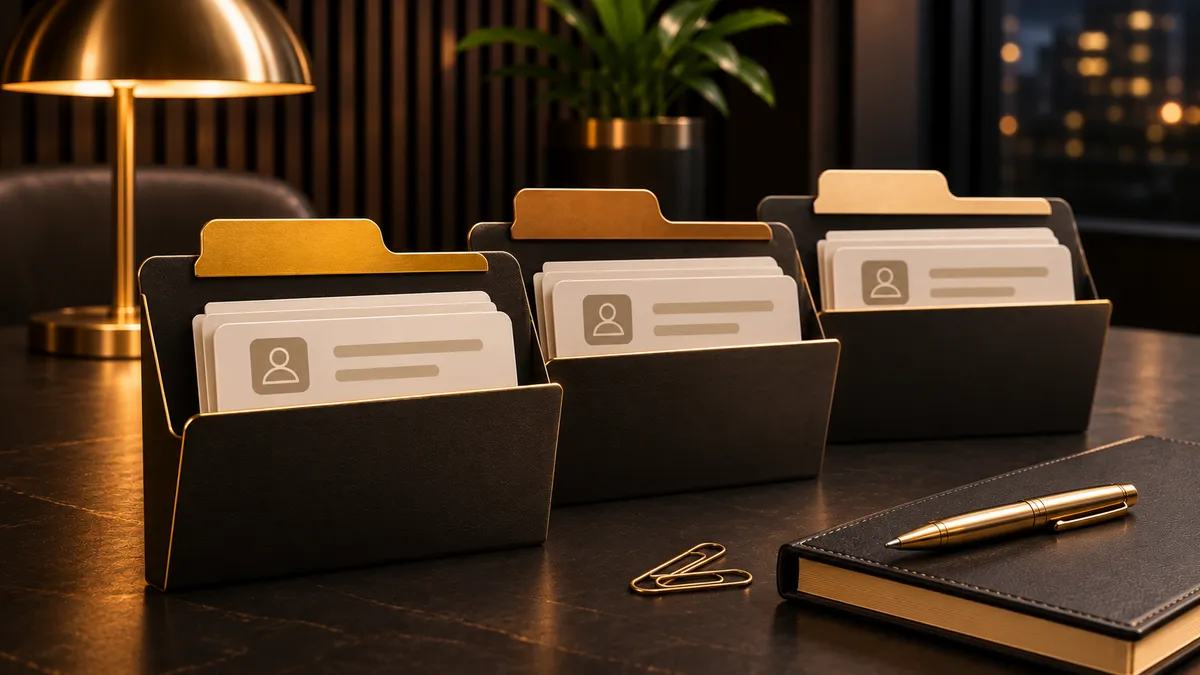
Sort visitors by interest before you follow up.
How should you sort open house leads before following up?
Before writing an open house follow up text or email, sort contacts by their relationship to the property and their buying situation.
- Unrepresented buyers: They may be looking but have no buyer's agent. Ask, "Are you currently working with an agent, or would you like help exploring homes that match what you're looking for?" Don't assume they are ready to become clients.
- Buyers with an agent: Respect that relationship and follow your brokerage's policies and state rules. A simple "Thanks for visiting. If you have questions about the property, your agent is welcome to reach out" is enough. Keep them out of buyer-recruitment sequences.
- Neighbors: They often want to see the home or compare it with their own, and some may have questions about selling. Ask, "Are you mainly curious about the home, or also keeping an eye on the neighborhood market?" Offer market updates only if they want them and have given permission.
- Early researchers: They are exploring for the future. Occasional helpful information fits; the messages you send someone requesting a showing do not.
In your CRM, record the visitor type, stated interests, timeline, the channels they agreed to, and the next step they asked for.
What should your 7-day open house follow-up plan look like?
The schedule below uses five possible contact points across seven days. It is a suggested workflow, not a requirement to contact every visitor five times. Use only channels the visitor consented to, and stop or adjust when someone responds or declines.
| Day | Channel | Message goal | Sample opener |
|---|---|---|---|
| 0 | Text | Thank the visitor and restart the conversation | "Hi Sarah, thanks for stopping by the open house today." |
| 1 | Share relevant property information | "Great meeting you yesterday. Here's the information we discussed." | |
| 2 | Text | Ask one useful question | "Was there anything about the home you'd like to explore further?" |
| 4 | Offer relevant alternatives or neighborhood information | "I thought this might be helpful based on what you mentioned." | |
| 7 | Text or email | Offer a clear next step without pressure | "Would you like me to send similar homes, or should I leave it here?" |
Personalize each opener with your notes.
- Day 0, thank them while the visit is fresh: "Hi Sarah, this is Alex from today's open house on Oak Street. Thanks for stopping by. You mentioned liking the backyard. Would you like more details about the property?"
- Day 1, deliver something useful: Email what they asked about. Subject: "Great meeting you at the Oak Street open house." Body: "You mentioned wanting more information about the layout and outdoor space. I'm happy to share the details or set up another visit."
- Day 2, ask one clear question: If they haven't replied and consent allows another text: "Quick question about the home you toured Sunday. Was the location a good fit?" If they reply, switch to a normal conversation.
- Day 4, offer a relevant alternative: For an unrepresented buyer who wants help: "You mentioned outdoor space was important. If you're still exploring, I can share a few homes with similar features. Would that help?" For a neighbor, offer the neighborhood information they requested. Never invent listings, trends or property details.
- Day 7, give the visitor control: "Just checking in one last time about the Oak Street open house. Would you like help finding similar homes, or would you prefer no further updates? Either is fine." If they decline, honor it and update the record.
Want a follow-up system your team can actually use? RealtyCTL helps teams organize open house leads, build personalized follow-up workflows and automate appropriate reminders. Book a strategy call.
What should an open house follow up text or email include?
Good messages are recognizable, relevant, brief and easy to answer. For texts:
- Identify yourself: Give your name and where you met.
- Reference the visit: Mention a property feature or conversation detail.
- Offer value: Ask whether they want specific information or help.
- Invite a reply: End with one straightforward question.
Send texts only when the recipient has given the necessary consent.
Emails have more room but should stay focused. Use subject lines that name the conversation, such as "Following up on the Maple Avenue open house" or "The property information you asked about." Avoid false urgency. For more starting points, adapt our Realtor templates to each visitor's actual interests.

A simple seven-day follow-up rhythm.
How can AI help write open house follow-ups without sounding robotic?
AI can cut drafting time when you have several visitors to follow up with. The National Association of REALTORS' October 2026 technology analysis lists creating emails and follow-up messages as one of the three most common ways REALTORS use AI, at 52%. That shows the practice is common, not that AI-written messages win more clients.
We recommend using AI as a drafting assistant, not an unsupervised sender:
- Capture notes: Record what the visitor actually said and requested.
- Check permissions: Confirm follow-up is allowed on the intended channel.
- Provide context: Give the AI only relevant, non-sensitive details.
- Generate and review: Ask for a short, natural message, then remove invented facts, promises or assumptions.
- Approve and record: Have an agent approve it before sending, then log the outcome.
A sample prompt: "Write a short follow-up text from a Realtor to an unrepresented open house visitor who asked about home offices. Identify the sender, end with one question, and invent nothing."
Our AI for Realtors page covers more uses. Keep a human check on accuracy, privacy, consent and tone.
How do you automate follow-up while respecting consent and brokerage rules?
Start with clear permission, not automatic messages to everyone who signs in. Before turning on automated texts or emails:
- Review the sign-in process: Make sure visitors understand what they are agreeing to.
- Record consent: Keep evidence of the permission and the channel.
- Check representation: Exclude represented buyers from solicitation.
- Confirm brokerage policies: Follow your broker's procedures and state requirements.
- Set timing and stop rules: Use reasonable contact windows, honor opt-outs and pause sequences when someone replies.
- Assign ownership: Make one person responsible for responses and next steps.
Texting needs particular care. A phone number on a sign-in sheet does not automatically mean the person agreed to marketing texts, and federal and state requirements vary. Ask your broker or a qualified compliance adviser to review the process first. For a broader workflow, see our guide to Realtor lead nurturing automation.
How do you know whether your follow-up is working?
Judge the system by conversations and next steps, not messages sent. After each event, track:
- Qualified contacts: Visitors with a relevant need who can appropriately be contacted.
- Responses: Replies with questions, preferences or a decision.
- Appointments: Conversations or showings requested.
- Next steps: Buyers who asked for listings, information or more help.
- Opt-outs: Visitors who asked not to be contacted.
If no one responds, check relevance and contact accuracy. Some visitors will never become clients, and a good process spots that early.
What should be on your open house follow-up checklist?
Use this before and after each event.
- Prepare a visitor sign-in process that clearly explains contact preferences and consent.
- Confirm brokerage policies and applicable state requirements.
- Ask visitors whether they are already working with an agent.
- Record useful property interests and conversation notes.
- Separate unrepresented buyers, represented buyers, neighbors, and early researchers.
- Verify which visitors agreed to receive texts or emails.
- Prepare personalized Day 0 and Day 1 messages.
- Schedule appropriate follow-up opportunities for Days 2, 4, and 7.
- Review AI-generated drafts for accuracy, privacy, and tone.
- Pause automation when a visitor replies or withdraws consent.
- Assign responsibility for responding to interested visitors.
- Review conversations, appointments, and opt-outs after the sequence.
Start with a clear sign-in process, organized notes and a few useful messages. Add automation once the manual workflow works reliably.
Key takeaways
- Open house follow up works best when messages reference a real conversation and offer a useful next step.
- Separate unrepresented buyers, represented buyers, neighbors, and early researchers before choosing a follow-up approach.
- A seven-day plan provides structure, but every message should depend on consent, relevance, and the visitor's response.
- AI can help draft personalized texts and emails, but agents should review messages before sending.
- Measure qualified conversations and appointments rather than the number of messages delivered.
Written by the RealtyCTL team, NextCTL's real estate marketing brand for Realtors and loan officers. We help agents and teams build organized lead capture, personalized communication, and follow-up automation using practical Realtor templates and lead nurturing workflows. Book a strategy call.
Open House Follow-Up FAQs
How soon should you follow up after an open house?
Follow up after the event while the visit is still fresh, provided the visitor has given the necessary permission. A brief same-day thank-you text can be appropriate when someone has consented to texting. Follow with requested property information by email if that channel is permitted. The timing should support the conversation, not create pressure. Always follow brokerage policies and applicable communication rules.
What should an open house follow-up text say?
An open house follow up text should identify the agent, reference the property or conversation, and ask one relevant question. For example: "Hi Sam, this is Alex from today's open house. You mentioned wanting more outdoor space. Would you like information about similar homes?" Keep it natural and specific. Send marketing texts only when you have the required consent, and respect requests to stop contacting someone.
How many times should you follow up?
A seven-day plan can include contact opportunities on Days 0, 1, 2, 4, and 7, but that does not mean every visitor should receive five messages. Adjust based on interest, permission, representation status, and replies. Stop when someone opts out, and avoid continuing a generic sequence after a meaningful response. Quality and relevance matter more than the number of attempts.
Can AI write open house follow-ups?
Yes. AI can draft open house follow up emails, text messages, and personalized variations based on an agent's notes. It can also help organize follow-up tasks and suggest useful questions. However, AI can invent details or misread context, so an agent should review each draft. AI does not replace consent requirements, brokerage policies, or the need to respect existing agent relationships.
Written By

Atiq Rezaul Hoque Turjo
Founder & CEO, NextCTL
Software architect with 16 years of experience, founder and CEO of NextCTL, and the builder behind the CTL stack: BackCTL, H22T and RealtyCTL.